
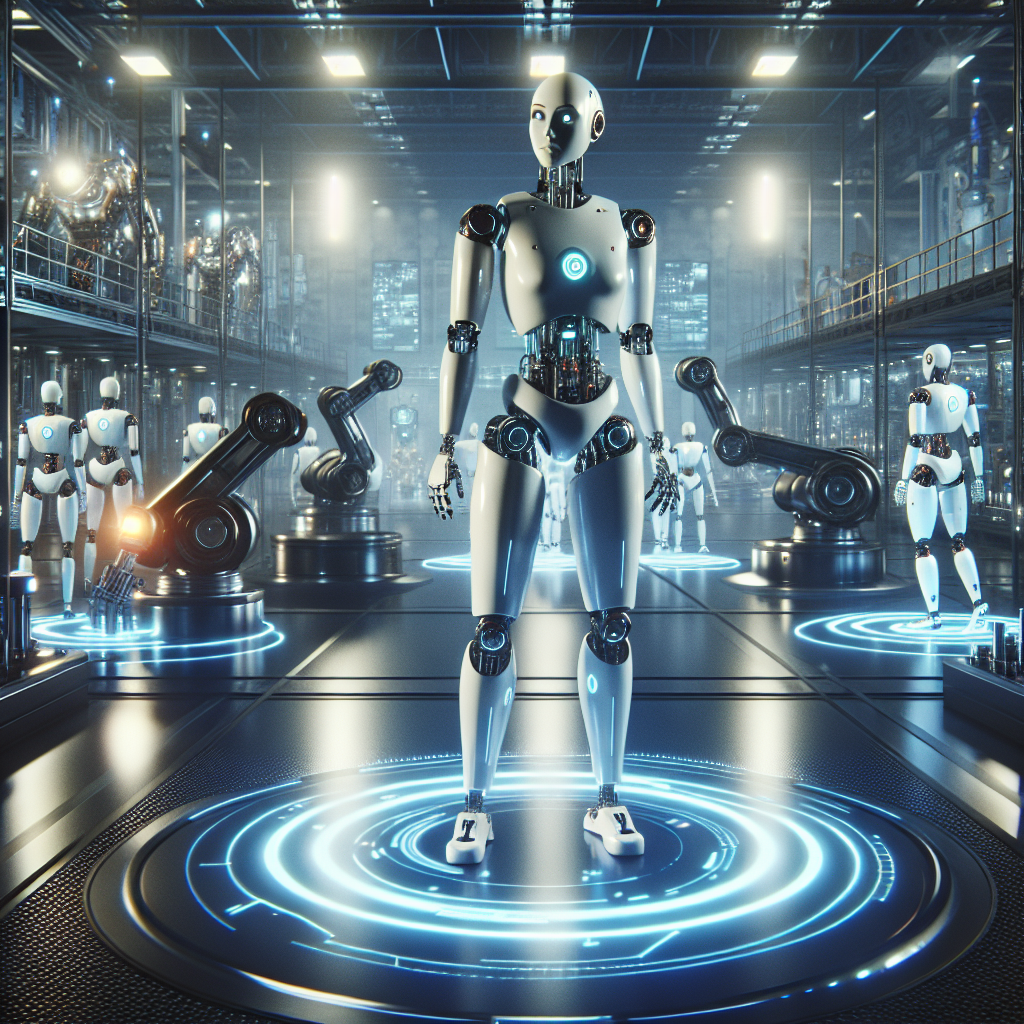
The Rise of AI in Robotics
As industries strive for improved efficiency and productivity, the integration of artificial intelligence (AI) in robotics has become central to this evolution. AI enables robots to not only perform repetitive tasks but to learn and adapt to their environments, enhancing their utility across various sectors.
AI-Enabled Robotics: Key Trends
- Machine Learning Integration: Robots are increasingly utilizing machine learning algorithms to analyze data and automate decision-making processes, minimizing human intervention.
- Collaborative Robots (Cobots): Unlike traditional industrial robots, cobots work alongside humans, enhancing workplace safety and productivity.
- Predictive Maintenance: AI-driven robots can predict equipment failures before they occur, drastically reducing downtime and saving costs.
Humanoid Robots: Bridging the Gap
Humanoid robots represent the pinnacle of robotics development, designed to mimic human appearance and behavior. These robots are increasingly being utilized in customer service, healthcare, and educational settings.
Leading Humanoid Robotics Companies
- Boston Dynamics: Known for its agile robots like Atlas and Spot, Boston Dynamics is at the forefront of developing robots capable of complex movements.
- SoftBank Robotics: With its flagship robot Pepper, SoftBank Robotics has spearheaded the entry of humanoids in customer-facing roles.
- Sonen Robotics: Emerging as a strong competitor in humanoid robots, Sonen Robotics focuses on creating versatile robots for various industries.
Industrial Automation: The Future Is Here
As industries undergo digital transformation, robotics automation is playing a crucial role. From factories to warehouses, automation powered by robotics is reshaping operational processes.
Automation in Manufacturing
Manufacturers are implementing robots to handle tasks such as assembly, painting, and quality inspection. The adoption of robotics in manufacturing has proven to:
- Increase Production Rates: Robots can work around the clock without needing breaks.
- Enhance Precision: Robotics reduces human error, maintaining consistent quality across production lines.
- Lower Operational Costs: While the initial investment is significant, the long-term savings from reduced labor costs and increased efficiency are undeniable.
Robotics Startups and Investments: A Growing Landscape
The robotics sector has seen a surge in startups, supported by increased investment from venture capitalists and tech giants. These startups are innovating at a rapid pace, bringing new ideas and technologies to market.
Notable Robotics Startups
- Zipline: Specializing in drone technology for medical supplies, Zipline is revolutionizing healthcare logistics.
- Canvas Technology: Focusing on autonomous mobile robots for warehousing, Canvas has enhanced efficiency in logistics operations.
- Locus Robotics: Providing robots that assist in warehouse operations, Locus Robotics is one of the leaders in warehouse automation.
Challenges in Robotics Adoption
Despite the clear advantages of robotics integration, there are significant challenges that industries face, including:
- High Initial Costs: The adoption of advanced robotics often requires significant capital investment.
- Workforce Displacement: As robots take over more tasks, there is concern over job displacement for manual laborers.
- Technological Barriers: The implementation of robotics often comes with compatibility issues with existing systems.
Conclusion: The Path Ahead
The impact of robotics and AI on industries is profound and ongoing. As technology continues to advance, businesses must carefully consider how to integrate these innovations to remain competitive. The future of robotics promises increased efficiency, enhanced capabilities, and ultimately a transformation of the way industries operate.