
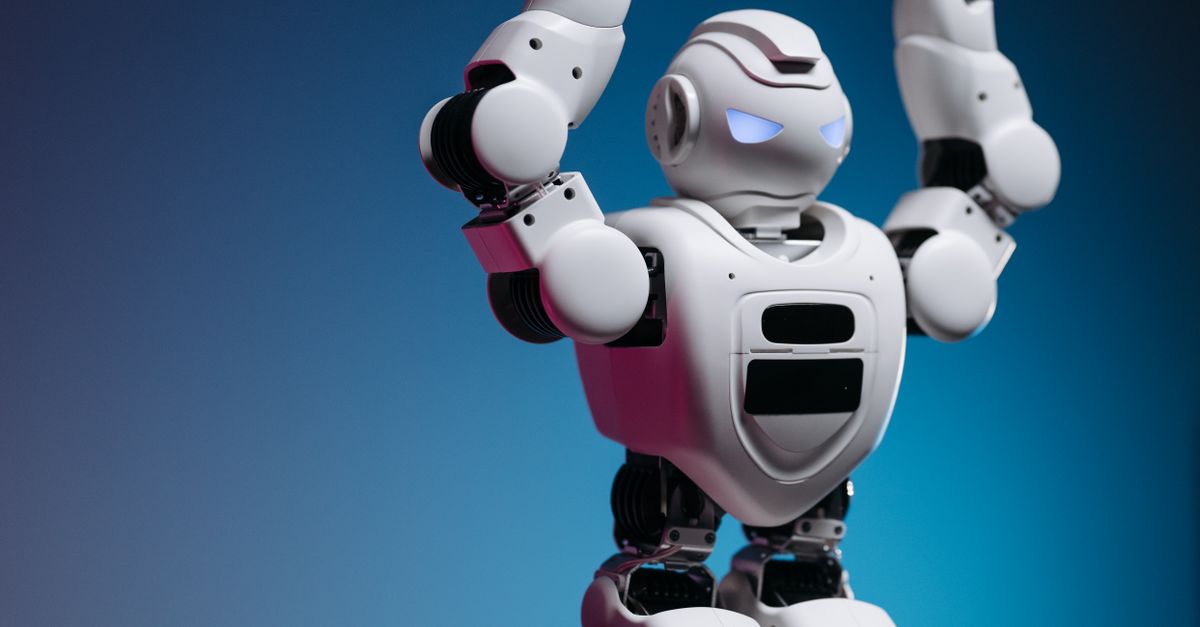

Introduction to Humanoid Robotics
Humanoid robots are more than just a curiosity; they are a representation of advanced technology integrating robotics and artificial intelligence (AI) to perform tasks that mimic human capabilities. In recent years, the growth of humanoid robots has been driven by advancements in machine learning, sensor technology, and robotics engineering.
Key Players in Humanoid Robotics
Several companies are leading the charge in humanoid robotics, each bringing unique technologies and solutions to the market.
Boston Dynamics
Boston Dynamics is renowned for its advanced robots, such as Atlas, which is designed for dynamic movement and balance. These robots are being applied in areas such as search and rescue operations and industrial automation.
SoftBank Robotics
SoftBank’s Pepper robot is designed to interact with people, making it popular in retail and healthcare settings. Its AI capabilities allow it to understand and respond naturally to human emotions.
Engineered Arts
This UK-based company focuses on creating highly realistic humanoid robots, such as Mesmer. These robots are designed for entertainment and educational purposes, providing an engaging way to teach children about robotics.
Applications of Humanoid Robots
Humanoid robots are being integrated into various sectors, showcasing their versatility and adaptability.
Healthcare and Elderly Care
In healthcare, humanoid robots are assisting with rehabilitation and companionship for the elderly. Robots like Robear are designed to help lift patients and provide care, addressing challenges faced by healthcare providers.
Education and Training
Educational institutions are utilizing humanoid robots for teaching purposes. Robots like NAO are used to help students learn programming and robotics in a hands-on environment.
Hospitality and Retail
In the retail and hospitality sectors, humanoid robots, like those developed by SoftBank, provide customer service, assist with inventory management, and enhance the overall customer experience.
The Impact of AI on Robotics
The integration of AI has revolutionized humanoid robots, allowing them to learn from their environments, adapt to changes, and interact more effectively with humans. Key AI technologies shaping the future of humanoid robotics include:
- Natural Language Processing (NLP): Enables robots to understand and respond to human speech.
- Machine Learning (ML): Allows robots to improve their performance based on past experiences.
- Computer Vision: Provides robots with the ability to interpret visual data from their surroundings.
Investment Trends in Robotics Startups
The robotics sector has seen a surge in investments, particularly in startups focused on humanoid and AI-driven robotics. Notable trends include:
Increased Funding
According to industry reports, investments in robotics startups have reached unprecedented levels, with billions allocated to promising ventures in humanoid robotics.
Venture Capital Influence
Venture capital firms are increasingly recognizing the potential of humanoid robots in various industries, leading to greater funding and support for innovation.
Challenges and Future Outlook
Despite the advancements, several challenges persist in the humanoid robotics landscape.
Technical Limitations
While progress is rapid, many humanoid robots still struggle with complex tasks requiring fine motor skills or emotional intelligence.
Ethical Considerations
As humanoid robots become more prevalent, ethical dilemmas surrounding their use in society also arise, particularly concerning privacy, job displacement, and human-robot interaction.
Looking ahead, the future of humanoid robots appears promising, with ongoing research and development poised to overcome existing challenges. As technology evolves, the integration of humanoid robots in everyday life will likely expand, impacting various sectors profoundly.
